

Sulfate-free shampoo and conditioner clean and soften hair without the harsh detergents that strip natural oils and fade color — and the good ones do it while staying pH-balanced for hair, not just borrowed from a bar of soap. That distinction matters more than most shampoo shelves let on. A lot of "natural shampoo" out there is really just soap with a nicer label, and soap's high pH is rough on hair no matter how pretty the packaging is. So let's get into what actually separates a good sulfate-free routine from a gimmick.
If you've typed some version of "shampoo shampoo shampoo" into a search bar out of sheer decision fatigue standing in front of a shelf of forty near-identical bottles, this one's for you. We're going to walk through what sulfate-free actually means, how to match a shampoo and conditioner to your hair type (dry, oily, thinning — we'll cover all three), and where natural deodorant fits into the same "does this actually work" conversation, because that question comes up in the same breath a lot.
What "sulfate-free" actually means
Sulfates — usually sodium lauryl sulfate or sodium laureth sulfate — are the detergents responsible for that big foamy lather in conventional shampoo. They clean fast and they clean hard, which is exactly the problem: they strip natural oils from hair and scalp along with the dirt, leaving a lot of people with dry, frizzy, or irritated results, especially with repeated use.
A genuinely sulfate-free formula swaps those detergents for gentler, coconut-derived cleansing agents. Our shampoo bars use sodium cocoyl isethionate as the primary surfactant, which cleans effectively without the strip-and-squeak feeling. That's also part of why our shampoo bars are formulated to sit at a pH closer to your hair's natural range — a real formulation choice, not a marketing footnote. Soap bars are alkaline by nature, which is fine on skin but works against hair's outer layer over time.

Matching shampoo and conditioner to your actual hair type
"Natural" isn't one-size-fits-all, and neither is your hair. Here's how to think through it.
Dry or damaged hair
Look for richer oils and butters doing real work — argan oil and shea butter are the two to watch for, both known for a soft, cushioned feel that helps tame frizz and roughness. Our Natural Shampoo Bar for Dry or Damaged Hair is built around exactly that combination, paired with a matching Dry & Damaged Hair Conditioner Bar for the follow-through. Argan oil in particular shows up across almost our entire conditioner line for a reason — it's a genuinely moisturizing oil, not a filler ingredient.
Oily hair or a sensitive scalp
The instinct with oily hair is often to scrub harder, which usually backfires — stripping the scalp too aggressively just tells it to produce more oil to compensate. What actually helps is a lighter formula that cleanses well without overloading. Our Oily or Scalp-Sensitive Hair Shampoo Bar leans on tea tree and basil with a lightened butter content, and the matching conditioner bar is built the same way — lightweight enough not to weigh roots down.
Thinning or fine hair
For thinning or weak-feeling hair, ingredients like nettle, castor oil, and silk protein are worth looking for — not because any shampoo can promise thicker hair (nothing legitimately can), but because they contribute to a fuller, more supported feel strand by strand. That's the thinking behind our Thinning & Weak Hair Shampoo Bar and its matching conditioner.
Normal to all hair types
If your hair doesn't fall cleanly into any of the above, our Normal & All Hair Types Shampoo Bar is the easy starting point, made with traditional Vietnamese Bồ Kết (soapberry) powder — a natural cleansing ingredient used in Vietnamese hair care for generations, long before "natural shampoo" was a section on a store shelf. It's one of the clearest examples in our whole lineup of an ingredient we can actually access by sourcing where we do. Pair it with the matching conditioner bar, or grab both together in the Shampoo + Conditioner Duo if you'd rather not choose twice.
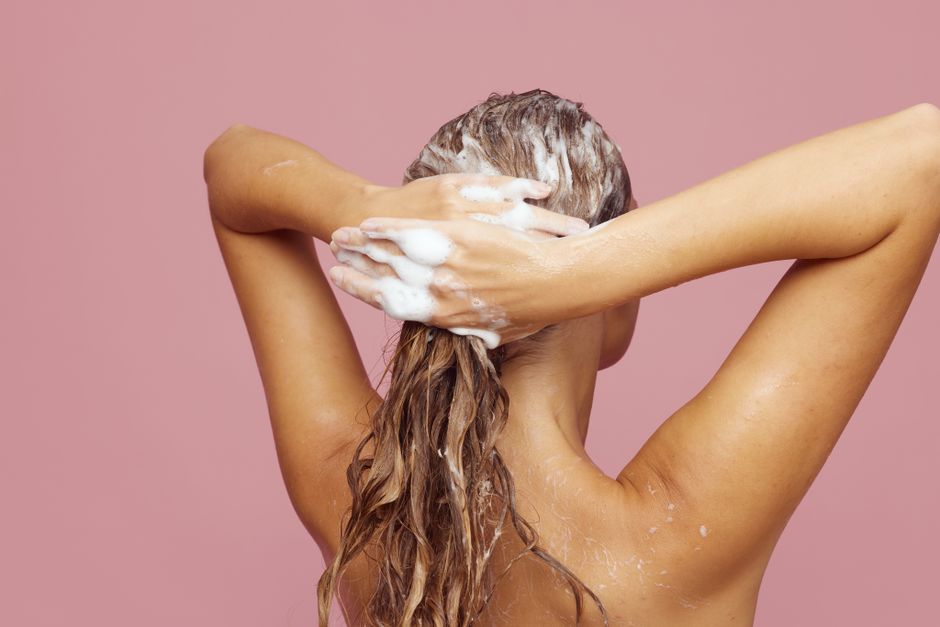
Does conditioner cause hair loss?
This question comes up a lot, and the short answer is: a well-formulated conditioner shouldn't. What people usually notice is normal shedding that becomes more visible when conditioner detangles hair and pulls loose strands free during the process — hair that was already going to shed, just made more noticeable in the shower. Heavy silicone-based conditioners can sometimes cause buildup that weighs hair down, which some people misread as loss, but that's a texture issue, not a follicle one. A lighter, cleanly rinsing conditioner bar avoids that buildup problem altogether.
What about dry shampoo?
Dry shampoo has its place for a quick refresh between washes, but a lot of aerosol versions rely on the same buildup-prone ingredients that make hair feel worse over time, not better. If you're looking for a dry shampoo alternative, a light dusting of arrowroot or cornstarch at the roots does a similar job without the propellant. It's not a replacement for actually washing your hair — just a stopgap for day three of a road trip when a real shower isn't in the cards.
Where natural deodorant fits into this conversation
The "does this actually work" skepticism people bring to sulfate-free shampoo shows up just as often with natural deodorant, and for similar reasons — there are a lot of underwhelming versions out there that gave the whole category a bad reputation. An aluminum-free deodorant that's actually formulated well, using ingredients like zinc ricinoleate, neem oil, and clays for genuine odor neutralization and moisture absorption, can hold up through a full day. Our Fresh Woody and Citrus Spice sticks are built on that basis, not on hoping baking soda alone carries the whole job.

Building a full natural hair care and personal care routine
Once you've matched a shampoo and conditioner to your hair type, the easiest way to keep the whole routine plastic-free and simplified is bundling it with the rest of your daily essentials. Our Trial Bundle is a good low-commitment way to test a full month of shampoo, conditioner, deodorant, toothpaste tablets, and soap together before committing to a longer supply like the 3-Month Personal Care Essentials kit.
If you'd rather understand the full formulation logic before switching over completely, our earlier piece on how to make natural shampoo (and why a bar might save you the trouble) walks through the DIY route and where it tends to fall short compared to a properly formulated bar.
FAQ
Is sulfate-free shampoo actually better for your hair?
For most people, yes — sulfates clean effectively but strip natural oils along with dirt, which can leave hair drier and more frizzy with regular use. Sulfate-free formulas using gentler coconut-derived surfactants clean just as thoroughly without that stripping effect. The difference is most noticeable on dry, color-treated, or curly hair.
What's the difference between a shampoo bar and a soap bar used on hair?
A true shampoo bar is pH-balanced specifically for hair using mild surfactants like sodium cocoyl isethionate. A soap bar, even a great one for skin, is alkaline and can leave hair feeling rough or tangled over repeated washes because it disrupts hair's outer layer. Always check whether a "shampoo bar" is actually formulated as shampoo or is just soap in a different shape.
Can natural shampoo help with oily hair?
Yes — a lighter formula that cleanses thoroughly without over-stripping actually helps oily hair more than a harsh detergent shampoo, which can trigger the scalp to overproduce oil to compensate. Ingredients like tea tree, basil, and green tea are commonly used for a fresh, balanced feel without heaviness.
Does conditioner cause hair loss?
No — a well-formulated conditioner doesn't cause hair loss. It can make normal shedding more visible during detangling, and heavy silicone buildup can make hair feel weighed down, but neither is the same as actual hair loss.
Is natural deodorant actually effective, or just a trend?
A well-formulated natural deodorant using ingredients like zinc ricinoleate, neem oil, and absorbent clays can genuinely neutralize odor and manage moisture through a full day. Results vary person to person the same way they do with any deodorant, natural or not, so it's worth giving a new formula a couple of weeks to see how it performs for your body chemistry.
What ingredients should I look for in a good conditioner for dry hair?
Argan oil and shea butter are two of the most reliable ones — both known for a rich, cushioning feel that helps smooth frizz and roughness. Panthenol and silk protein are also worth looking for if you want extra shine and smoothness without heaviness.
What's a good dry shampoo alternative?
A light dusting of arrowroot powder or cornstarch at the roots absorbs oil similarly to commercial dry shampoo, without the aerosol propellant or the buildup some sprays leave behind. It works best as a between-wash refresh, not a replacement for actually washing your hair.
0 comments