

A natural conditioner works the same way any good conditioner should: it smooths the hair shaft, replaces moisture that washing strips away, and makes your hair easier to live with — detangled, soft, less static, more shine — just built from plant oils, butters, and mineral-derived ingredients instead of silicones and synthetic emulsifiers. That's the honest, direct answer. The rest of this post is about why that distinction actually matters for your hair, and how to pick the right one for yours.
Let's get the obvious joke out of the way: yes, "conditioner conditioner" is a strange thing to type into a search bar. But it usually means one of two things — either "does conditioner actually condition, or is it just a marketing step I've been told to add," or "I want an actual, real conditioner, not whatever my shampoo bottle is quietly trying to also be." Both are fair questions. Both get answered here.

Does conditioner actually do anything?
Yes — and it's doing something fundamentally different from what your shampoo does. Shampoo's job is to lift oil, dirt, and product buildup off your scalp and hair. Conditioner's job is almost the opposite: smooth the outer layer of the hair (the cuticle), lock in moisture, and reduce the friction that causes tangles, static, and that frizzy halo you get in dry air or after a long day of wind in your face on the trail.
Hair conditioners are designed to improve manageability, reduce static, and add shine — which is well documented in dermatological research on shampoo and conditioner formulation. That's not a brand claim, that's just what the category is built to do, natural or not.
Shampoo and conditioner aren't interchangeable, even when people treat them that way
"Shampoo conditioner" and "conditioner shampoo" get typed into search bars constantly because a lot of people genuinely wonder if they can skip one. You can't swap them and expect the same result — a shampoo that also claims to condition is almost always compromising on one job to half-do the other. If you want both cleansing and real conditioning, you generally want two separate steps, each doing its actual job. That's a big part of why we build ours as a shampoo and conditioner system rather than a single do-it-all bottle.
What makes a conditioner "natural," and does sulfate-free/paraben-free actually matter?
"Natural" gets used loosely in this industry, so here's what we actually mean by it: a conditioner formulated primarily from plant- and mineral-derived ingredients — oils, butters, plant powders — rather than leaning on synthetic silicones (the ingredients that make conventional conditioner feel instantly silky, then build up on your hair over time) or harsh preservative systems.
Sulfate-free and paraben-free matter more on the shampoo side of your routine than on conditioner specifically, since sulfates are cleansing agents and conditioners aren't built to cleanse. But if you're searching "shampoing sans sulfate sans paraben sans silicone" or hunting for a sulfate-free hair conditioner, what you're really after is a routine where nothing in the bottle (or bar) is working against your scalp or the planet. That's the whole philosophy behind building something plastic-free and ingredient-conscious from the ground up, rather than bolting "natural" onto a conventional formula as a marketing layer.
Picking the right conditioner for your hair type
This is where most of the actual decision-making happens, and it's also where a lot of "natural conditioner" searches go wrong — people grab whatever's labeled natural without matching it to what their hair actually needs. A few real scenarios:
- Normal to all hair types: you want balance, not a heavy-duty fix. Our Natural Conditioner Bar – Normal to All Hair Types leans on lightweight oils and butters so it detangles and shines without weighing hair down.
- Shampoo and conditioner for dry hair: dry or damaged hair wants richer moisture and real repair, which is where argan oil earns its reputation — our Dry & Damaged Hair conditioner bar is built around it alongside shea butter for that deeply nourished, smoothed-down feel.
- Shampoo and conditioner for oily or greasy hair: the instinct is to skip conditioner entirely when hair's already oily, but that usually backfires on the ends. A lightweight option like our Oily & Scalp-Sensitive Hair conditioner bar conditions without adding heaviness up top.
- Thinning or fine hair: volume and conditioning usually fight each other, so this is a formulation balance more than an either/or — see our Thinning & Weak Hair conditioner bar.
If you already know your shampoo bar, matching it to the conditioner built for the same hair type isn't just tidy — the two are formulated to work together, which is the whole idea behind our Shampoo and Conditioner Duo bundle.
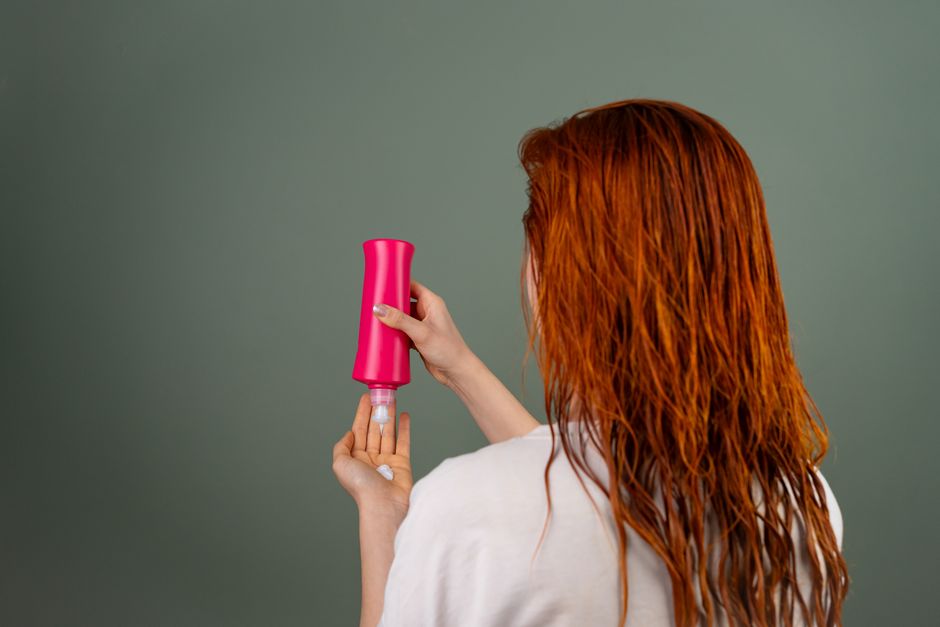
What about argan oil shampoo and conditioner specifically?
Argan oil shows up across our conditioner line — Normal, Dry/Damaged, Oily, and Thinning — because it's genuinely good at what a moisturizing oil should do: soften, smooth, add a silky finish without feeling greasy. It's not a cure-all and we're not going to pretend it is, but if you're hunting "argan oil shampoo and conditioner" because you've heard good things, the reputation is earned.
Does conditioner cause hair loss?
This question comes up a lot, and the short answer is: a well-formulated conditioner doesn't cause hair loss. What can happen is buildup from heavy silicones and conditioning agents weighing hair down over time, making it look thinner and feel limper — which reads as hair loss even when it isn't. If you're already dealing with thinning hair and want a lighter conditioning touch that doesn't add to buildup, that's exactly the gap our Thinning & Weak Hair bar is built to fill.
A quick word on the rest of your natural routine
Conditioner doesn't live in isolation, and if you're down this research rabbit hole you're probably also eyeing your deodorant and soap. A genuinely aluminum-free, natural deodorant that actually works is its own can of worms — we've written about that one separately in Natural Deodorant That Actually Works (And Natural Conditioner That Actually Conditions) if you want the long version. And if you're building a full zero-waste routine, a solid soap bar and a conditioner bar that both skip the plastic bottle is a nice place to land.

FAQ: Natural conditioner, answered
Is natural conditioner as effective as regular conditioner?
Yes, when it's formulated well. The job — smoothing the cuticle, locking in moisture, cutting static — doesn't require synthetic silicones to get done, it just requires the right oils, butters, and emulsifiers in the right ratios. The difference is usually in finish (natural conditioners tend to feel a little less "slick" immediately after rinsing, more genuinely soft once dry) rather than in actual performance.
What's the difference between shampoo and conditioner?
Shampoo cleanses — it lifts oil, dirt, and buildup off your scalp and hair. Conditioner smooths and moisturizes after that cleanse, reducing tangles and static and adding shine. They're complementary steps, not interchangeable ones, even when a product tries to claim it does both.
Can I use conditioner without shampoo (co-washing)?
Some people with curly or very dry hair do skip shampoo some days and just condition, often called co-washing, since conditioner has a mild cleansing effect on its own. It's not a universal solution though — oily or scalp-sensitive hair types generally still need a real cleanse to avoid buildup.
Does sulfate-free conditioner matter the same way sulfate-free shampoo does?
Not really, because sulfates are cleansing agents, and cleansing isn't conditioner's job. The sulfate-free conversation applies much more directly to shampoo. What matters more on the conditioner side is avoiding heavy synthetic silicones that build up over repeated washes.
How often should I use conditioner?
Most hair benefits from conditioner every time you shampoo, since the two steps are designed to work as a pair. If your hair runs oily, you might condition only the mid-lengths and ends rather than the scalp, to avoid adding extra weight where you don't need it.
Can conditioner help with dandruff or an itchy scalp?
Conditioner isn't designed to treat scalp conditions — that's a job for the right shampoo and, if things persist, a conversation with a dermatologist. What conditioner can do is leave hair feeling soothed and less prone to the dryness and friction that make an already-irritated scalp feel worse.
Is a conditioner bar actually as good as a bottle?
A well-formulated conditioner bar lasts significantly longer than a bottle, per gram of product, since it's concentrated rather than mostly water — and it skips the plastic packaging entirely. Performance comes down to the formulation itself, not the format, so a good bar conditions just as well as a good liquid one.
0 comments