

A natural conditioner is a conditioning product made primarily from plant- and mineral-derived ingredients — oils, butters, and plant powders instead of synthetic silicones and sulfates — that smooths hair and calms the scalp without leaving the buildup a lot of conventional formulas do. That's the short answer. The longer answer is why that distinction actually changes how your hair feels, and that's worth a few minutes.
If you've ever stood in the hair aisle reading ingredient lists like they're a foreign language, you already know the problem. Half the bottles marketed as "natural" still lean on the same silicone-heavy, sulfate-loaded base as everything else, just with a leaf on the label. We're going to walk through what actually makes a conditioner natural, how it's different from a homemade hair conditioner you'd mix in your kitchen, and how to pick the right one for dry hair, oily hair, or hair that's just tired of falling flat.

What actually makes a conditioner "natural"
There's no official rulebook here — no certification body stamping "natural" onto bottles, and any brand telling you otherwise is stretching the truth a little. What we can say honestly is this: a natural conditioner is formulated primarily from plant- and mineral-derived ingredients, favoring things like shea butter, cacao butter, and plant oils over synthetic silicones and heavy artificial fragrance.
The most meaningful piece of that, though, is usually the surfactant and conditioning base. A lot of "natural-sounding" conditioners still use the same silicone-heavy formulas as drugstore brands, which coat the hair shaft rather than actually conditioning it. Ours use conditioning agents like BTMS-25 (a coconut-derived conditioning emulsifier) and panthenol, paired with real plant oils like argan oil, rather than a silicone slick that just makes hair feel soft until it isn't.
Sulfate-free conditioner: does it actually matter?
Sulfates get a lot of attention, but they're really a shampoo issue more than a conditioner one — sulfates are cleansing agents, and conditioner's whole job is to add moisture back in after cleansing strips it. That said, a genuinely sulfate-free hair care routine — shampoo and conditioner both — tends to leave hair feeling less stripped overall, especially if you're already dealing with dry or damaged strands.
Our Natural Shampoo Bar for Normal & All Hair Types uses gentle coconut-derived cleansers instead of harsh sulfates, and it's built to pair with a conditioner bar rather than fight against it. When the shampoo isn't stripping everything on the way in, the conditioner has a lot less repair work to do on the way out.
Does conditioner cause hair loss?
This one comes up a lot, and the honest answer is: not directly, no. Conditioner conditions the hair shaft, it doesn't touch the follicle or the scalp's growth cycle. What can happen is heavy buildup from silicone-based conditioners weighing hair down over time, making it look thinner and feel limp — which reads as "hair loss" even when nothing is actually falling out. If your hair feels thin, weak, or fine, it's worth looking at a conditioner formulated toward strength and volume rather than assuming the conditioner itself is the culprit.
Our Natural Conditioner Bar for Thinning & Weak Hair leans on castor oil, nettle powder, and silk protein — ingredients chosen to support fuller-feeling strands without the heaviness that makes thin hair feel worse by the end of the day.

Choosing a natural conditioner for your actual hair type
"Natural" isn't one-size-fits-all any more than "shampoo" is. The right conditioner still depends on what your hair is doing day to day.
For dry, damaged, or frizzy hair
This is where argan oil earns its reputation — a moisturizing oil known for a silky, non-greasy feel that helps tame frizz without weighing hair down. Our Natural Conditioner Bar for Dry & Damaged Hair combines argan oil with shea butter and a rosemary-wintergreen blend for hair that needs real hydration, not just a rinse-and-go polish.
For oily or scalp-sensitive hair
Oily roots don't need less conditioner, they need a lighter one. Our Natural Conditioner Bar for Oily & Scalp-Sensitive Hair is built lighter on purpose, with neem oil and green tea powder for a calming, balanced feel at the scalp instead of the heavy-butter approach that leaves oily hair looking greasier by evening.
For normal to all hair types
If your hair isn't fighting you in either direction, the Natural Conditioner Bar for Normal to All Hair Types is the straightforward option — argan oil and mango butter for shine and softness, without overcomplicating a routine that already works.
For thinning or weak hair
Covered above, but worth repeating: look for castor oil, nettle, and protein-forward formulas over heavy conditioning agents that can flatten fine strands.
Homemade conditioner vs. a conditioner bar: what's the real tradeoff
There's a whole world of homemade hair conditioner recipes out there — apple cider vinegar rinses, coconut oil masks, avocado mashed into a paste in your kitchen sink. They work, sort of, for a night. The tradeoff is consistency and time: a DIY rinse doesn't emulsify the way a properly formulated conditioner does, so it can leave hair greasy, or it evaporates in effectiveness within days because there's no real preservation system behind it.
A solid conditioner bar splits the difference. It's concentrated, so a small bar lasts through months of washes, and it's genuinely plastic-free rather than "plastic-free until the pump breaks." If you're the type who likes making things yourself, more power to you — but if you want the actual result without turning your bathroom into a lab three times a week, a bar formulated properly does the job every time, not just when you remember to make a fresh batch.
While we're on the topic: what "natural" means for deodorant too
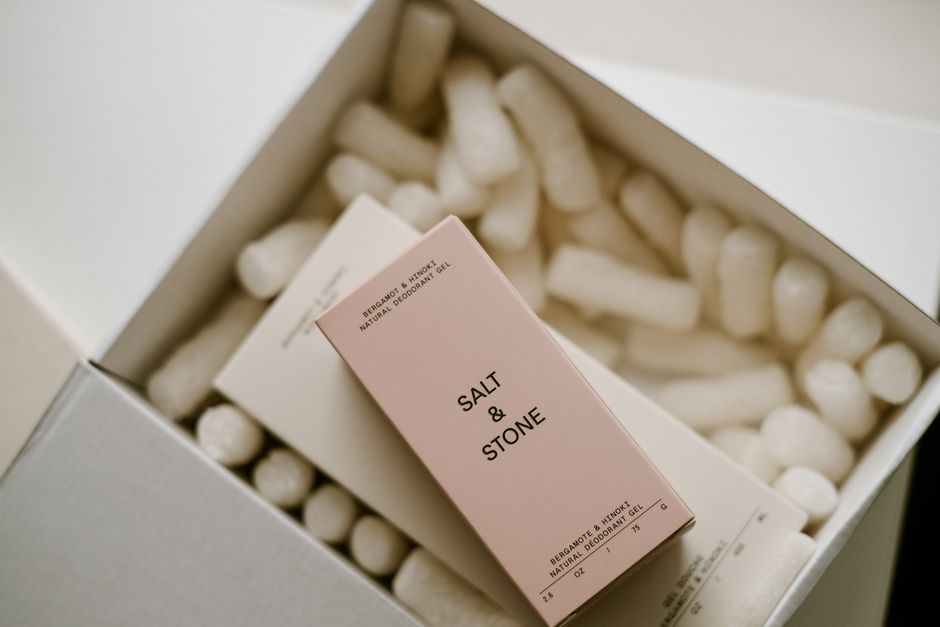
The same logic that applies to conditioner applies almost word for word to deodorant, since it's the other product people ask "does natural actually work?" about most. A natural deodorant that works isn't chasing a scent-masking trick — it's using ingredients like zinc ricinoleate, neem oil, and clays to neutralize odor and absorb moisture, without the aluminum compounds found in antiperspirants. The National Cancer Institute has a clear explainer on how those aluminum compounds work in antiperspirants specifically, if you want the mechanism spelled out.
It's worth being precise about the difference between deodorant and antiperspirant here, because they do different jobs: an antiperspirant blocks sweat glands, a deodorant manages odor. Michigan State's consumer research center breaks that distinction down well — natural deodorants generally aren't trying to stop sweat at all, just the smell that comes with it. Our own All-Day Natural Deodorant Stick in Fresh Woody and the Citrus Spice version are both aluminum-free and built around that same principle — actual odor protection, not just a fresher-smelling cover-up.
FAQ: Natural conditioner, answered honestly
Is sulfate-free conditioner better for dry hair?
Sulfates themselves are mainly a shampoo ingredient, but pairing a sulfate-free shampoo with a moisturizing conditioner tends to help dry hair the most, since neither product is stripping natural oils that the conditioner then has to replace. Look for argan oil or shea butter in the ingredient list if dryness is your main concern.
Can a natural conditioner replace dry shampoo?
Not quite — they solve different problems. Conditioner smooths and moisturizes hair strands, while dry shampoo (or a dry shampoo alternative like arrowroot powder or diatomaceous earth) absorbs oil at the roots between washes. Some people use a light conditioning rinse plus a natural root powder as a combined routine.
How often should I use conditioner if I have oily hair?
Usually every wash, just applied only from mid-length to ends rather than the roots. Skipping conditioner entirely on oily hair often backfires — dry ends trigger more oil production at the scalp to compensate, which is the opposite of what you want.
Does natural conditioner work on color-treated hair?
Yes, generally, and it can actually help — silicone-heavy conventional conditioners build up over time and dull color vibrancy, while lighter natural formulas rinse cleaner and let color show through. Just avoid conditioners with clarifying or heavily exfoliating ingredients right after a fresh color treatment.
Is argan oil good for all hair types, or just dry hair?
Argan oil is most associated with dry and damaged hair because of its rich, moisturizing feel, but it shows up in lighter amounts across normal, oily, and thinning hair formulas too — it's more about the ratio than the ingredient being off-limits for any hair type.
What's the actual difference between a conditioner bar and bottled conditioner?
Mostly concentration and packaging. A bar is the conditioner without the water filler, so it lasts significantly longer per bar than an equivalent bottle, and it skips the plastic bottle entirely. Performance-wise, a well-formulated bar conditions just as well — it just takes a wash or two to get used to the different application.
Can I use a natural antiperspirant if I need aluminum-free but still want less sweat?
This is a fair distinction to raise: true antiperspirants (natural or not) block sweat glands, while natural deodorants manage odor without blocking sweat at all. If stopping sweat entirely is the priority, most aluminum-free products won't fully replicate that — but many people find that odor control alone solves the actual day-to-day problem they were trying to fix.
0 comments