

How do you make natural shampoo? At its simplest: combine a gentle plant-based cleanser (like a mild soap or liquid castile base) with nourishing oils, a splash of something acidic to balance pH, and a scent you actually want to smell for the next ten minutes in the shower. That's the honest, unglamorous answer. What nobody tells you upfront is that getting the ratios right, keeping it shelf-stable, and not ending up with hair that feels like straw or a grease slick takes a lot more trial and error than the internet lets on.
We've made a lot of shampoo. A genuinely embarrassing number of failed batches happened before we landed on formulas we'd put our name on. So this post is going to walk you through how homemade natural shampoo actually works, where it tends to go sideways, and — since we'd be lying if we pretended otherwise — where a well-made bar just does the job for you without the kitchen chemistry.
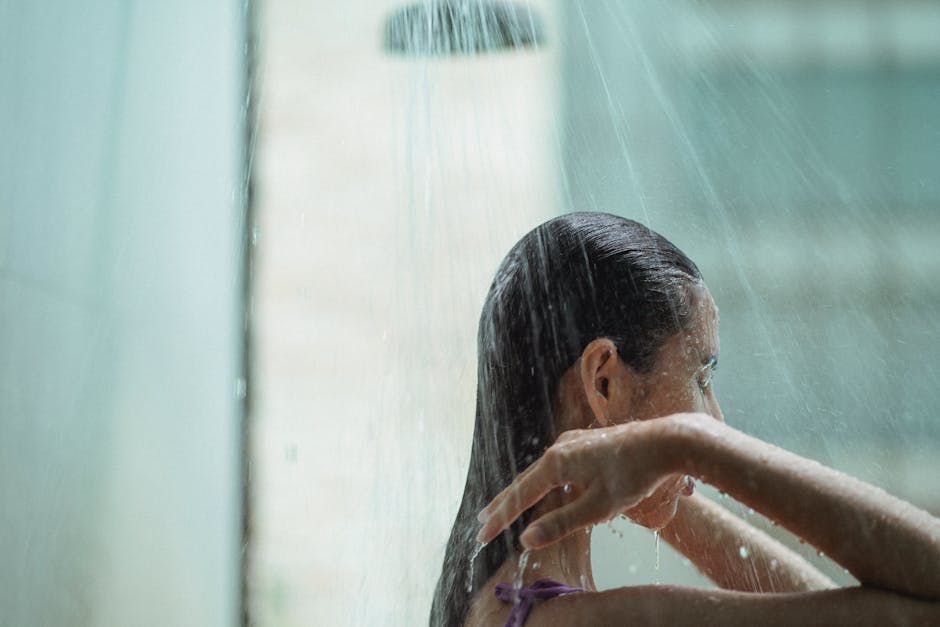
Why bother making natural shampoo at all?
Most conventional shampoo is built around sulfates — the sudsy detergents that strip oil fast and cheap. Effective, sure. But they strip a little too well for a lot of scalps, and they come packaged in plastic bottles that outlive every one of us. Going natural, whether homemade or store-bought, usually means chasing three things: gentler surfactants, real plant oils instead of synthetic conditioning agents, and packaging that doesn't haunt a landfill for the next four centuries.
None of that requires scaring you about what's "toxic" in your bathroom cabinet — most commercial shampoo isn't going to hurt you. It's just that natural versions tend to feel better, smell better, and leave less behind. That's reason enough.
What you'll actually need
A basic homemade natural shampoo recipe usually calls for:
- A gentle base cleanser — liquid castile soap or a mild coconut-based surfactant
- Carrier oils — argan oil, jojoba oil, or sweet almond oil for slip and shine
- An acid rinse component — diluted apple cider vinegar or citric acid to close the hair cuticle and balance pH
- Essential oils — rosemary, peppermint, or tea tree, both for scent and for the tingly, invigorating feel on the scalp
- A preservative-conscious mindset — anything water-based without a proper preservative system needs to be made in small batches and used within a week or two, refrigerated
A basic starting recipe
Mix roughly 1/3 cup liquid castile soap with 1 tablespoon of a carrier oil like argan or jojoba, 1/4 cup brewed and cooled herbal tea (rosemary is a favorite for a reason), and 10-15 drops of your essential oil of choice. Shake before each use, since it will separate. Follow with a diluted apple cider vinegar rinse — about 1 tablespoon per cup of water — to smooth the cuticle back down and stop hair from feeling stripped.
It works. It's also finicky, it goes off fast, and it never quite lathers the way your brain expects shampoo to lather, because castile soap and true detergents behave differently in water — castile can leave a slight film in hard water areas that some people find leaves hair feeling waxy.
Troubleshooting the usual problems
If your homemade batch leaves hair greasy, you likely need less oil or a stronger acid rinse. If it leaves hair dry and straw-like, cut back on castile soap concentration or add a touch more oil. If it just won't lather, that's normal for a true soap-based shampoo — lather isn't actually what cleans your hair, though it sure feels like the whole point.
This is roughly the point where most people either commit to becoming an at-home cosmetic chemist, or decide there's a reason companies spend years dialing in a formula so you don't have to.
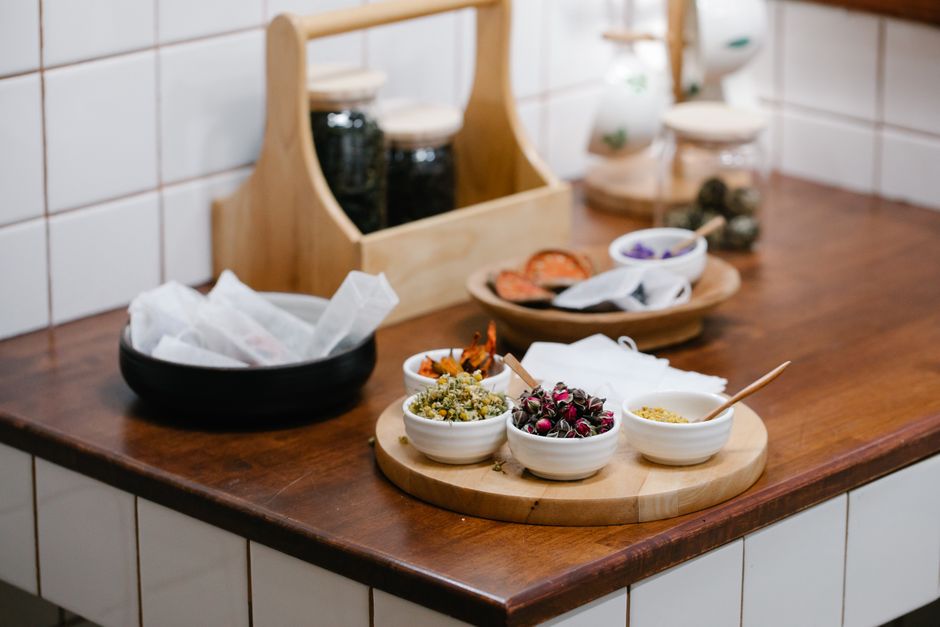
The shortcut: a well-made shampoo bar
This is, admittedly, where we're a little biased. We started making our own personal care products for the exact reasons above — frustration with plastic bottles and mystery ingredients — and ended up spending years getting a solid, sulfate-free shampoo bar formula right so nobody else has to run the same experiments in their kitchen.
Our Natural Shampoo Bar for Normal & All Hair Types uses gentle, sulfate-free cleansers alongside coconut oil, jojoba oil, and traditional Vietnamese Bồ Kết (soapberry) powder — a plant-based cleansing ingredient with a long history in Vietnamese hair care that most Western natural brands simply don't have access to, since we source it directly from the region it comes from.
If your hair runs dry or damaged, the Dry or Damaged Hair Shampoo Bar leans on argan oil and shea butter for a richer, more cushioned feel. Oily or sensitive scalp? The Oily or Scalp-Sensitive Shampoo Bar uses tea tree, neem oil, and green tea powder in a lighter formula that won't weigh things down. And if you're dealing with thinning or fine hair, the Thinning & Weak Hair Shampoo Bar brings in castor oil and nettle for a bit of scalp-tingling encouragement.
Pair any of them with a matching Natural Conditioner Bar, or grab both together tailored to your hair type in the Shampoo and Conditioner Duo.
What about natural conditioner — do you need one?
If you're using a sulfate-free shampoo, conditioner matters more, not less, since you're not stripping hair down to zero and starting fresh each wash. A moisturizing conditioner with argan oil helps seal in moisture and smooth the cuticle after cleansing — our conditioner bars use BTMS-25 (a plant-derived conditioning agent) and panthenol alongside argan oil for that slip and shine without the heaviness of silicone-based formulas. And no — a well-formulated conditioner isn't linked to hair loss; shedding usually traces back to genetics, stress, or scalp health rather than what's coating the strand.
Rounding out a natural routine
If you're rethinking shampoo, the rest of the shower shelf is worth a look too. A gentle, plastic-free bar like the Mountain Trip Soap Bar or Australian Bush Walk Soap Bar covers the rest of the body with the same natural, sulfate-free logic. And since we're on the topic of natural personal care that actually works — aluminum-free deodorant is the other product people assume can't perform as well as the conventional stuff. Ours is formulated with zinc ricinoleate and clays for real odor protection, in Fresh Woody or Citrus Spice.
For more on the science behind natural hair-care ingredients, this NIH review of plant-based hair care actives is a solid, unbiased read, and the EPA's guide to naturally healthy hair habits covers washing frequency and water temperature basics that apply no matter whose shampoo is in your shower.

FAQ
Can I make natural shampoo without castile soap?
Yes — some recipes use a mild coconut-derived surfactant like sodium cocoyl isethionate instead, which tends to be gentler and lathers more like conventional shampoo. Castile soap is just the most accessible option for home use since it's sold everywhere.
Why does my homemade shampoo make my hair feel waxy?
That's usually castile soap reacting with hard water minerals, leaving a slight film behind. A diluted vinegar rinse after washing helps dissolve that residue and restore shine.
Is a sulfate-free shampoo bar as effective as liquid shampoo?
A well-formulated bar cleans just as effectively — it just lathers a bit differently since it isn't relying on harsh sulfate detergents to do the work. Give your hair two to three washes to adjust if you're switching from a heavily sulfating shampoo.
Does conditioner cause hair loss?
No — conditioner coats the hair shaft, it doesn't affect the follicle or hair growth cycle. Hair shedding is typically tied to genetics, hormones, stress, or scalp condition, not what you're rinsing out in the shower.
What's a good natural shampoo for oily hair?
Look for lighter oils and clarifying ingredients like tea tree, green tea, or charcoal rather than heavy butters. Our Oily or Scalp-Sensitive Shampoo Bar is built specifically around that lighter, balancing approach.
How long does homemade natural shampoo last?
Without a proper preservative system, expect about one to two weeks refrigerated before it starts to break down or grow bacteria. This is one of the biggest practical arguments for a bar format — no water content means no preservative headache and a shelf life measured in months, not days.
Is argan oil good for all hair types?
Argan oil is a lightweight moisturizing oil that works well across most hair types, though it's especially suited to dry or damaged hair where extra slip and softness are welcome. It's used across our entire conditioner line and in the Dry/Damaged Hair shampoo bar for that reason.
What's a good dry shampoo alternative for the natural-hair-care crowd?
Arrowroot powder or plain cornstarch, applied sparingly at the roots, absorbs oil similarly to conventional dry shampoo without the aerosol propellant or synthetic fragrance. Brush it through thoroughly so it doesn't sit visibly on darker hair.
0 comments