

Hand soap doesn't need to come in a plastic pump to actually work. A well-made bar soap cleans hands just as effectively as liquid hand soap — the CDC itself says plain soap in either bar or liquid form gets the job done — and it does it without the bottle, the pump mechanism, or the eventual trip to the recycling bin that may or may not actually recycle it. That's really the whole answer. The rest of this post is about why the bar version might be the better call for your bathroom sink, not just your shower.
If you've spent any time searching "hand soap" or scrolling past body wash for sale near you, you've probably noticed the personal care aisle is enormous and strangely repetitive — a hundred bottles that are all mostly water, a fragrance, and a surfactant, wrapped in plastic that outlives the soap inside it by a few hundred years. There's a simpler way to wash your hands. It's been around a lot longer than the pump bottle has.

Does bar soap actually work as hand soap?
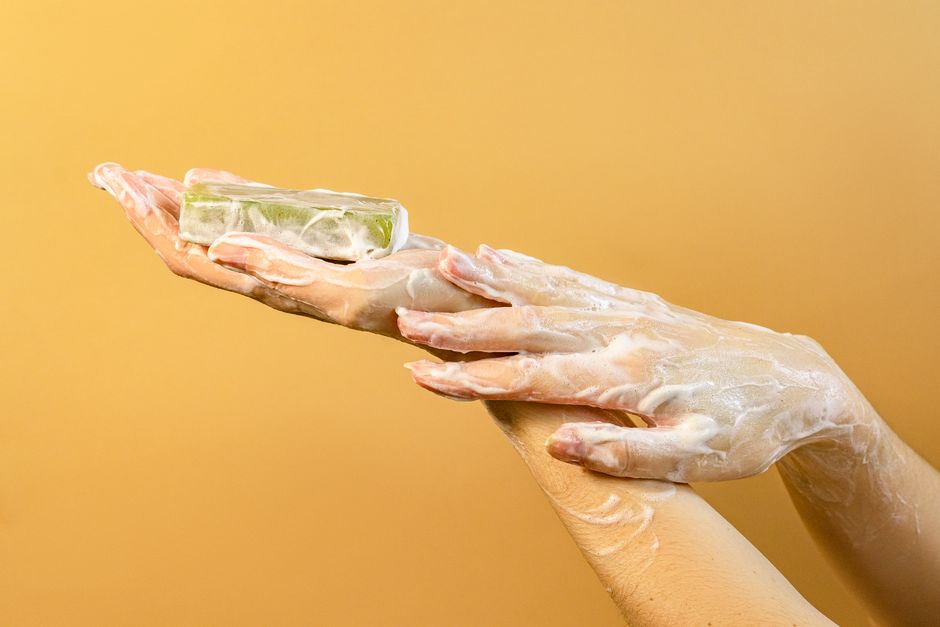
Yes — and this isn't a brand opinion, it's backed by the people whose whole job is hand hygiene. The CDC's hand hygiene guidance is direct about it: both bar and liquid soap remove germs effectively, full stop. What actually matters is technique — wetting your hands, working up a lather, scrubbing for a solid twenty seconds, rinsing clean — not which format the soap arrived in.
Where bar soap and liquid hand soap genuinely differ is in what surrounds the soap itself. Liquid hand soap is mostly water with a bit of surfactant, shipped and sold in a plastic bottle with a plastic pump. A well-cured bar is concentrated — no water weight, no bottle, no pump — and it lasts a long time on the sink if you let it dry between uses. That's less about cleaning power and more about what you're bringing into your house and what you're throwing away when the bottle's empty.
What to actually look for in a bar soap
Not all bar soap is created equal, and this is where a lot of "natural soaps" on shelves quietly cut corners. A few things worth checking before you swap your body and bath hand soap over to a bar:
- Cure time. Cold-processed soap needs weeks — ideally months — to fully harden and crystallize. A bar sold soft and squishy two weeks after it was made will dissolve into a puddle in your soap dish twice as fast.
- Real ingredients, not just a "natural" label. Look at the actual ingredient list — oils, butters, plant-derived cleansers — rather than trusting a green leaf on the packaging.
- No synthetic colorants for flash. A lot of bubbly, poppy-colored bars get that color from mica or synthetic dye purely for shelf appeal. It doesn't clean any better — it just photographs well.
- What the packaging is actually made of. Kraft paper that's genuinely recyclable is a different thing than the glossy coated cardboard a lot of "eco" brands use, which usually isn't recyclable at all despite looking the part.
Our own bars are cold-processed and cured up to a year before they ever reach a sink or shower, specifically so they hold up instead of going soft and gone in a couple weeks. Bars like the Oak Barrel Cider XL Artisanal Soap Bar or the Australian Bush Walk XL Artisanal Soap Bar work just as well parked by the bathroom sink as they do in the shower — one bar, both jobs, no separate bottle of hand soap needed.

How to keep a bar soap lasting at the sink
The number one thing that kills a bar soap fast isn't overuse, it's sitting in a puddle. A soap dish that doesn't drain turns your bar to mush in days.
- Use a bar soap holder or dish with drainage, or better, a soap saver bag that lets it air out between washes.
- Let it dry fully between uses. A bar that dries out between hand washes will outlast one that sits wet all day, easily.
- Keep it off flat, non-draining surfaces — window sills, the flat bottom of a glass, anything without airflow underneath.
A Natural Linen Soap Saver Bag does double duty here — it's moisture-wicking, so a bar dries out properly between washes instead of sitting in a slick puddle, and it turns any bar into a lathering, exfoliating pouch you can just hang on the tap.
What about body wash — is bar soap a real swap there too?
Same logic applies in the shower as at the sink. If you're used to reaching for body wash female-marketed in one bottle and something "for men" in another, it's worth knowing that's mostly packaging and fragrance, not a real functional difference — a well-formulated bar works for anyone's skin. Bar soap in the shower means no bottle at all, and a genuinely well-made one still delivers a thick, bubbly lather without stripping skin dry the way some harsher soap-only formulas can.
Worth a quick note here too: a "shampoo bar" and a bar of soap are not the same thing, even though they can look similar sitting on a shelf. Regular soap is alkaline, which is fine for skin but rough on hair over time — a real shampoo bar is pH-balanced specifically for hair, not just soap poured into a hair-shaped mold.
FAQ: Hand Soap and Bar Soap, Answered
Is bar soap as good as liquid hand soap for washing hands?
Yes. Both bar and liquid soap remove germs effectively when used with proper technique — wetting hands, lathering, scrubbing for about 20 seconds, and rinsing. The format doesn't determine effectiveness; the washing does.
Does bar soap spread germs between people?
A bar soap sitting in standing water can pick up more bacteria than one kept dry, which is why drainage matters. Using a draining soap dish or a soap saver bag, and letting the bar dry between uses, keeps this a non-issue for typical household use.
Why does my bar soap dissolve so fast?
Usually one of two things: it wasn't cured long enough before it was sold, or it's sitting in water between uses. A properly cured bar — cured for months, not days — combined with a draining soap dish will last dramatically longer.
Is natural bar soap gentle enough for daily hand washing?
A well-formulated bar with real plant oils and butters can feel just as gentle as a bottled hand soap, sometimes gentler, since there's no need to load it with preservatives for a liquid formula. Always check the actual ingredient list rather than relying on the word "natural" on the label.
Can I use the same soap bar for my hands and in the shower?
Absolutely — that's part of the appeal. A single well-made bar can sit by the sink for hand washing and double as a body soap, which cuts down on the number of bottles and bars you're buying and storing in the first place.
What's the difference between bar soap and a shampoo bar?
Regular soap, including bar soap for hands and body, is naturally alkaline. Hair prefers a lower, more balanced pH, so a genuine shampoo bar is formulated differently — with coconut-based surfactants rather than true soap — so it doesn't leave hair dry or dull the way washing hair with body soap can.
Is antibacterial hand soap better than plain soap?
According to the FDA, there isn't sufficient evidence that antibacterial soap prevents illness any better than plain soap and water used correctly. Plain soap, bar or liquid, remains the recommended everyday choice.
0 comments