

Environmentally responsible means making choices — as a person or a business — that account for their impact on the natural world, and actively work to reduce that impact rather than ignore it. It's not a certification you slap on a label (we won't pretend otherwise), and it's not a personality you either have or don't. It's closer to a habit. A way of asking "what does this choice cost, beyond the price tag?" often enough that it starts shaping what you buy, how you travel, and what you throw away.
That's the plain answer. The rest of this post is about what it actually looks like once you drag it out of the abstract and into your actual bathroom, kitchen, and shopping cart.

Environmentally responsible vs. "eco-friendly" — is there a difference?
Not really, and that's worth saying plainly instead of pretending there's some secret hierarchy. "Eco friendly," "environmentally conscious," "green" — these all point at the same general idea: trying to reduce your footprint on the planet. If there's a nuance, it's this: eco friendliness meaning tends to focus on products and choices (this shampoo is eco friendly), while environmentally responsible leans a bit broader — it covers behavior, business practices, and decisions over time, not just a single purchase.
Honestly? Don't lose sleep over the semantics. The word matters less than whether the daily habits behind it are real.
What makes something an eco-friendly product, really?
This gets asked a lot, and for good reason — "eco-friendly" gets printed on everything from laundry pods to lawn chairs, and a lot of it is noise. A genuinely eco-friendly or environmentally friendly item usually has a few things going for it:
- Low-impact materials — plant- or mineral-derived ingredients and inputs rather than petroleum-heavy synthetics, where that's realistically achievable.
- Packaging that's actually recyclable — not just technically recyclable in a lab somewhere, but genuinely accepted by your local recycling stream. A glossy coated box that "looks" eco but can't be processed curbside isn't doing much.
- Built to last — concentrated, long-lasting formulas beat something that's watered down and gone in two weeks, because the product you don't have to rebuy is the lowest-impact product of all.
- Sourced with some thought — closer to the source, smaller producers, fewer unnecessary hops through the supply chain.
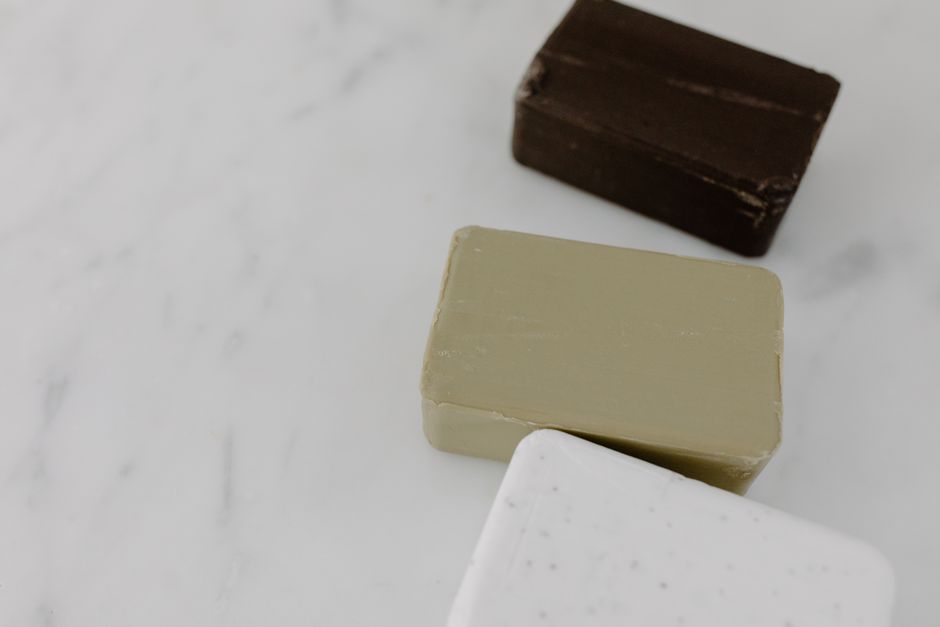
That's roughly our own internal checklist too. Our soap bars cure for up to a year so they actually harden and last in the shower instead of dissolving into mush, our packaging is recycled kraft paper (the genuinely recyclable kind, not the kind that just photographs well), and we skip synthetic colorants like mica that exist purely to make a bar look prettier on a shelf. None of that is flashy. It's just the boring, consistent stuff that actually adds up.
How to find eco-friendly products without falling for greenwashing
This is the part people actually struggle with, because "green" marketing is everywhere and some of it is just a sticker. A few honest filters:
- Read past the front label. "Natural" and "eco-friendly" aren't regulated terms — anyone can print them. Flip the product over and look at the actual ingredient list.
- Check the packaging claim specifically. "Recyclable" should mean recyclable where you actually live, not in some theoretical ideal recycling system.
- Be suspicious of vague language. "Eco-conscious formula" tells you nothing. A brand that's confident in what it's doing will usually just tell you what's in the bottle and why.
- Look at how long the product lasts. A $6 bottle that's empty in ten days isn't more sustainable than a $12 bar that lasts three months, even if the second one costs more upfront.
If you want a deeper, no-guilt-trip breakdown of why one specific piece of this — recycling — actually matters and where it falls short, we've written about that directly in why recycling is important, without the guilt trip and in what the importance of recycling actually looks like once you get past the slogan.
How to make eco-friendly products (if you're building something, not just buying it)
We get this question from other small makers sometimes, so it's worth a straight answer. Making something environmentally responsible usually comes down to a handful of decisions made early, not bolted on later:
- Choose plant- and mineral-derived ingredients where a viable option exists.
- Source closer to where raw materials actually originate — fewer middlemen usually means less repackaging waste and fresher materials, not just a nicer supply chain story.
- Design for durability from the formulation stage, not as an afterthought once the product already exists.
- Pick packaging because it's genuinely recyclable or reusable, not because it photographs well.
- Support smaller, family-run producers where you can, instead of defaulting to the biggest, cheapest bulk supplier automatically.
None of this is glamorous. It's mostly just refusing to take the easy shortcut at each individual step, repeated a few hundred times across a supply chain.
Sustainability tips for living more sustainably, without the overwhelm
You don't need a zero-waste home or a composting operation in your kitchen to be environmentally conscious. Some of the best tips for sustainable living are the boring, repeatable ones:
- Swap one bottled product for a bar. Shampoo, conditioner, soap — bars cut packaging waste dramatically and usually last longer per gram than their bottled equivalents.
- Buy less, but buy better. One durable, long-lasting product beats three flimsy ones.
- Recycle what's actually recyclable — check locally, because rules vary more than people expect.
- Reuse before you replace. A soap saver bag, a refillable container, a jar you already own — small, unglamorous stuff.
- Travel with intention. Pack solid bars instead of liquids where you can; less weight, less plastic, no spill risk in the overhead bin.
How to live more sustainably on a budget is really the same list, just prioritized differently — buy fewer, longer-lasting things instead of a cart full of "eco" labels, and let the products you already own wear all the way out before replacing them. Sustainability on a budget isn't a contradiction; frugality and environmental responsibility have always walked the same road, they just don't always get credit for it together.

Sustainable business practices and why sustainability matters beyond one household
Why is sustainability important at a bigger scale than your own bathroom shelf? Because ecosystems and economies are both systems of interconnected parts, and sustainability in ecosystems and sustainability in business actually run on the same basic logic — take only what you can replace, and don't let short-term convenience quietly rack up a long-term bill. A business that treats packaging waste, sourcing, and durability as afterthoughts is making the same mistake an overgrazed field makes, just on a different timescale.
This isn't really a doom story, though — it doesn't need to be. Protecting the environment doesn't require guilt or alarm to make sense; it mostly just requires paying attention and making the slightly better choice often enough that it becomes the default. That's a quieter kind of motivation than fear, but it tends to actually stick.
FAQ: Environmentally Responsible Living, Answered Plainly
What does "environmentally responsible" actually mean?
It means factoring the environmental impact of a choice — personal or business — into the decision, and actively working to reduce that impact rather than ignoring it. It applies to individuals, products, and companies alike, and it's measured more by consistent behavior over time than by any single purchase.
What are eco-friendly products, exactly?
Products made with low-impact materials, genuinely recyclable or reusable packaging, and a design built to last rather than be replaced quickly. The strongest signal usually isn't the word "eco" on the label — it's the actual ingredient list and how long the product holds up with use.
Is "enviro friendly" the same thing as "environmentally responsible"?
Functionally, yes — it's an informal shorthand for the same basic idea. Neither term is regulated, so the real difference between a genuinely responsible product and a greenwashed one comes down to what's actually in it and how it's made, not which phrase is printed on the front.
Why is recycling important if I'm already buying sustainable products?
Recycling is one piece of a bigger system, not a replacement for buying less or buying better — but it still matters, because it keeps usable material out of landfills and reduces the demand for freshly extracted raw resources. We've gone deeper on exactly why recycling is useful and necessary in a dedicated post on why recycling matters, if you want the full picture.
How do I find eco-friendly products without getting fooled by greenwashing?
Read the ingredient list, not just the front label, and check whether packaging claims are actually true for your local recycling system. Vague phrases like "eco-conscious formula" with no specifics are usually a sign to look closer rather than take the claim at face value.
How can I live more sustainably on a tight budget?
Prioritize durability over trendiness — a long-lasting bar or product that replaces a bottle you'd rebuy every month saves money and packaging waste at the same time. Sustainable living on a budget is less about buying more "green" products and more about buying fewer things that actually last.
Do sustainable business practices actually make a measurable difference?
Yes, particularly when it comes to sourcing and packaging decisions made at scale — a single brand's choice to source closer to raw materials or use genuinely recyclable packaging multiplies across every unit it sells. It's less about one dramatic gesture and more about consistent, unglamorous choices repeated at volume.
What's a simple first step toward a greener, more environmentally conscious lifestyle?
Swap one single-use or bottled product in your routine for a longer-lasting, lower-waste alternative — a bar soap or shampoo bar is an easy, low-effort place to start. Small, repeatable swaps tend to stick far better than one big overhaul attempted all at once.
For more on what this looks like stitched together day to day rather than product by product, our piece on what green lifestyles actually look like day to day is a good next stop.
0 comments