

Short answer: yes, in a pinch, you can use hand soap as body wash — and honestly, you can flip that question around too. Most hand soaps and body washes are built from the same basic surfactant families, just tuned slightly differently for concentration and skin feel. If you're standing in the shower and all you've got is the pump bottle from the sink, you're not doing anything dangerous by lathering up with it. But "won't hurt you" and "ideal daily habit" are two different conversations, and that second one is where things get more interesting.
We make bar soap for a living, so we've got a slight bias here — but we promise to keep it honest. Let's get into what's actually different between hand soap and body wash, when swapping one for the other makes sense, and where a good bar of natural soap fits into all of it.
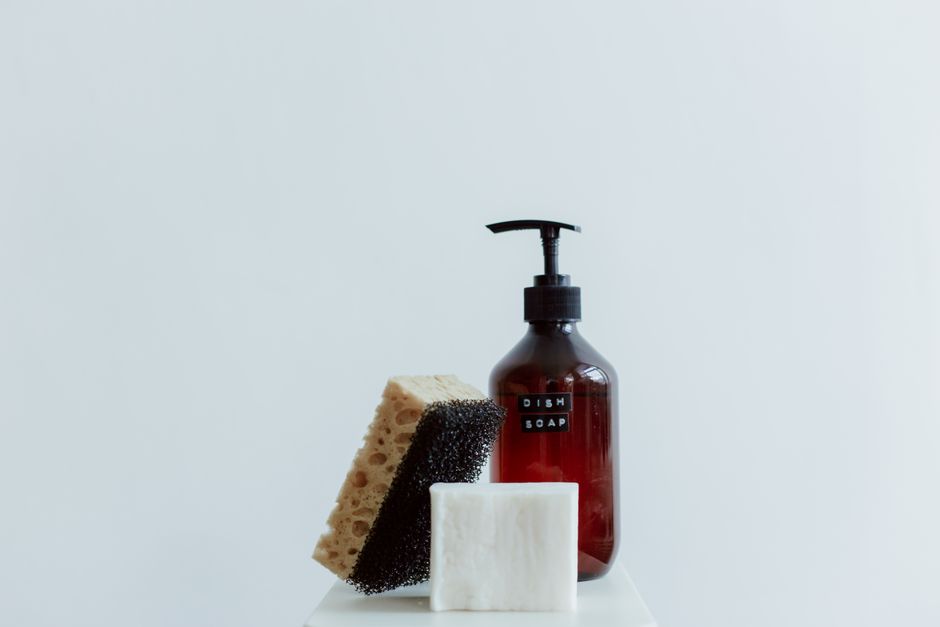
What's Actually Different Between Hand Soap and Body Soap?
Hand soap and body wash are cousins, not strangers. They're both cleansers built to lift dirt, oil, and everyday grime off skin using surfactants — the ingredients that let water and oil mix so they can rinse away together. Where they part ways is concentration and purpose.
- Hand soap is formulated for frequent, short-contact use — you're washing your hands a dozen times a day, so it's often a bit more stripping and sometimes carries antibacterial additives.
- Body wash is built for less frequent, longer-contact use, usually with more moisturizing agents since it's covering a much bigger, often drier, surface area.
Neither is doing anything mysterious. It's the same basic idea — soap what is it made of, at the core, is fats or oils combined with an alkali, or a synthetic surfactant blend doing the same job — just dialed differently for the job at hand (pun very much intended).
So, Can You Actually Use Hand Soap as Body Wash?
Yes. If you're traveling, staying somewhere without body wash, or just ran out mid-week, using hand soap on your body isn't going to cause a problem for the vast majority of people. Same goes in reverse — can body wash be used as hand soap? Also yes, for the same reasons. The surfactants are largely interchangeable for basic cleansing.
Where it gets a little less ideal:
- Dry skin. Hand soaps tend to be formulated stronger since hands see more daily washing and more grime — used all over the body, that strength can leave already-dry skin feeling tight or stripped.
- Higher pH. A lot of hand soaps, especially bar-style ones, skew more alkaline. That's fine for hands, less fine for the more sensitive skin on your torso and legs.
- Thinner texture. Some hand soaps are formulated thin and fast-rinsing, which means less time to actually work on the bigger surface area of your body before it's gone down the drain.
None of this is an emergency. It's a "fine for a week, not your forever routine" situation.

What Is Soap, Really? A Quick, Non-Boring Explainer
Since we're on the topic — what is soap made of, actually? True soap is the result of a chemical reaction called saponification: an oil or fat (think coconut oil, olive oil, palm oil) combined with an alkali, traditionally sodium hydroxide, cooking together until they transform into something entirely new. That's how is soap made in the classic sense, and it's the process behind cold process soap and cold pressed soap — no shortcuts, just time and chemistry doing their thing.
A lot of modern "soap" on shelves, hand soap included, is actually a synthetic detergent blend dressed up to look and lather like traditional soap — which isn't a bad thing, just a different thing. Understanding the difference is most of what you need to answer soap how is it made and how are soaps manufactured questions that come up constantly in reviews and forums.
Where Natural Bar Soap Fits Into This
This is really our favorite part of the conversation. A well-made natural bar soap — one that's been through a proper cold process and given real time to cure — sidesteps a lot of the hand-soap-vs-body-wash tension entirely. It's gentler than a lot of hand soaps by design, since it's meant for full-body use, and it skips the synthetic detergent shortcuts a lot of liquid body washes lean on.
Our own bars — like the Mountain Trip XL Artisanal Soap Bar with its light oatmeal exfoliation, or the Viet Cafe Vibes XL Artisanal Soap Bar made with real coffee grounds for a higher-exfoliation scrub — are cured for up to a year before they ever reach a shower. That's not us being precious about it. It's what lets a bar fully harden and crystallize, so it lasts through months of daily use instead of turning to mush in two weeks like a lot of small-batch bars do. If you want something gentler and floral, the Australian Bush Walk XL Artisanal Soap Bar skips exfoliation altogether for a purely creamy lather, and the Oak Barrel Cider XL Artisanal Soap Bar sits right in the middle with medium exfoliation.

A Word on Soap Nuts and Other Natural Cleansers
If you've gone down the natural-cleaning rabbit hole, you've probably run into soap nuts (also called soapnuts or soap nut) — dried berries from the soapberry tree that release a natural, mild lathering compound called saponin when agitated in water. They're a genuinely interesting example of a plant doing soap's job without any manufacturing at all. It's part of why traditional soapberry-based cleansing has stuck around in various forms for centuries, including as an ingredient folded into modern formulations rather than used raw.
How to Actually Use a Bar of Soap (And a Scrub) the Right Way
Whether it's hand soap, body wash, or a bar, the technique matters more than people think:
- Wet your skin with warm, not hot, water — hot water is more drying over time than the soap itself usually is.
- Work the bar (or wash) into a lather in your hands or with a washcloth before applying, rather than scrubbing the bar directly against skin.
- Spend a little extra time on higher-oil areas like the back, chest, and feet.
- Rinse thoroughly and pat, don't rub, dry.
If you're using an exfoliating bar or a natural body scrub, the same gentle-hands rule applies — how to exfoliate face and body both come down to light pressure and circular motion, never scrubbing hard enough to feel raw afterward. For how to use body scrub properly: apply to damp (not soaking) skin, work in small circles, and rinse well. Save anything with real texture — coffee grounds, oatmeal, sugar — for body use only, and keep facial soap gentler and fragrance-light since face skin is thinner and more reactive.
FAQ
Is it bad to use hand soap on your body every day?
Not dangerous, but not ideal long-term for most people. Daily use of a stronger, higher-pH hand soap over your whole body can leave skin feeling drier than a body-formulated wash or bar would, especially in drier climates or seasons.
Can I use body wash as hand soap instead?
Yes, this works both directions. Body wash will clean your hands effectively; it just may feel slightly less "cutting" against heavy grime than a hand soap formulated for frequent use, and it may rinse a bit slower from a pump dispenser.
Is Irish Spring a good soap to use all over?
Irish Spring is a widely used bar soap formulated for full-body use, so it's designed for exactly that job. Like most mass-market bars, it tends to prioritize fragrance and lather over moisturizing ingredients, so people with dry or sensitive skin sometimes prefer a richer, natural bar instead.
What's the actual difference between soap and body wash in terms of ingredients?
True bar soap comes from saponified oils and an alkali, while most liquid body washes are built on synthetic detergent surfactants blended with moisturizers and fragrance. Both clean effectively; the feel, rinse time, and packaging are usually the bigger practical differences for most people.
Are natural soap bars better for sensitive skin than liquid soap?
Often, yes, especially bars made without synthetic colorants or harsh detergents, since they tend to lean on gentler, oil-based cleansing. It still depends on the specific formulation, so checking the ingredient list matters more than "bar vs. liquid" as a blanket rule.
How do I know if a bar soap is genuinely natural, not just marketed that way?
Check the ingredient list for recognizable plant oils and butters as the base, rather than a long string of synthetic detergents and fillers. A short cure time, artificially bright color, or vague "natural fragrance" language with nothing else listed are common signs of a bar leaning more on marketing than formulation.
Can I use hand soap on my face?
It's generally not recommended as a regular habit. Facial skin is thinner and more reactive than body skin, so a dedicated, gentler facial soap is usually the more comfortable long-term choice.
At the end of the day, the honest answer to "can I use hand soap as body wash" is the same one you'd give a friend: sure, it works fine for a stretch, but your skin will probably thank you for switching back to something actually built for the job once you've got the option. A good bar of natural soap splits the difference nicely — gentle enough for daily full-body use, simple enough to travel with, and long-lasting enough that you're not restocking every other week.
0 comments