

Yes — body wash can be used as hand soap, and in most cases there's no real downside to it. Both are cleansers built from the same basic surfactant chemistry, just blended slightly differently. Body wash tends to run a bit gentler and more heavily fragranced for use over large areas of skin, while hand soap is often formulated to cut through grime a little faster since hands pick up more of it. But chemically? They're cousins, not strangers. If the bottle by your sink runs dry and the only thing left standing is the body wash from the shower, go ahead and use it. Your hands will be just fine.
That said — "works in a pinch" and "the best tool for the job" are two different conversations. So let's have both.

Why Body Wash and Hand Soap Are So Similar in the First Place
Soap, at its core, is soap. Whether it's a bar of natural soap, a bottle of plant based body wash, or a pump of liquid hand soap, the job is the same: grab onto oil and dirt sitting on your skin and let water carry it away. What is soap made of, really? Strip away the marketing and most formulas — natural or conventional — come down to a cleansing agent, water, and something to make it feel nice on your skin (oils, butters, glycerin, fragrance).
The differences between hand soap and body wash are mostly about concentration and skin-feel, not fundamentally different missions. Hands deal with more direct contact, more often, with grimier stuff — door handles, gas pumps, whatever you touched that you probably shouldn't think too hard about. So hand soap sometimes leans a little more efficient at cleansing. Body wash usually leans softer and more moisturizing, since it's covering more skin, more delicate in places, for longer.
When Swapping One for the Other Actually Makes Sense
- Travel. One bar or bottle doing double duty means less to pack. This is basically the entire philosophy behind a good bar of soap in the first place.
- Running out. No shame in it. Better than standing at the sink doing nothing.
- Simplifying your routine. Some people genuinely prefer one product, one shelf, done. That's not lazy — that's efficient.
Where it gets a little less ideal: if you have particularly sensitive or reactive skin, a body wash loaded with heavier fragrance oils might feel like a bit much used multiple times a day on your hands specifically. And a hand soap with a higher cleansing punch, used all over the body daily, can leave skin feeling drier than it needs to. Neither is dangerous. Just not the most tailored fit.
Why a Bar of Soap Solves This Whole Debate
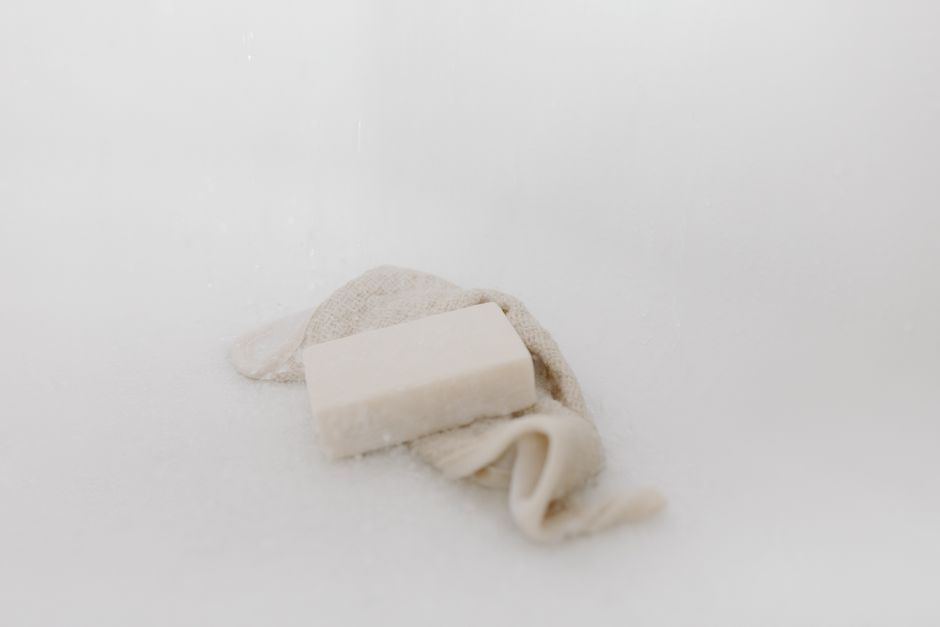
Here's the thing about the hand-soap-versus-body-wash question: it mostly exists because liquid products come in separate bottles for separate rooms. A good bar of natural soap sidesteps the entire debate. One bar, at the sink or in the shower, works as both — no need to decide which bottle is "for hands" and which is "for body," because a well-made bar was never trying to specialize in the first place.
This is where cold process soap earns its reputation. The cold process method — mixing oils with a lye solution and letting the bar cure slowly over weeks — locks in glycerin that a lot of mass-market soap strips out during manufacturing. That glycerin is a big part of why a good handmade soap bar feels moisturizing instead of tight and squeaky after rinsing. We cure ours for up to a year, not two weeks, so the bar fully hardens and holds up — at the sink, in the shower, wherever it ends up.
Our Mountain Trip XL Artisanal Soap Bar is a nice example of the crossover: light oatmeal exfoliation, rich lather, and just as at home by a bathroom sink as it is in a shower caddy. Same goes for the Australian Bush Walk XL Artisanal Soap Bar, with its crisp eucalyptus-floral scent, or the coffee-grounds scrub of the Viet Cafe Vibes XL Artisanal Soap Bar if you want more exfoliating power in that one bar doing double duty.
What Actually Matters More Than "Hand Soap vs. Body Wash"
Public health guidance on this is refreshingly unbothered by the hand-soap-versus-body-wash distinction. The CDC's hand hygiene guidance is clear that plain soap, in bar or liquid form, does the job — the mechanical action of soap plus water is what removes germs, not a particular formula stamped "for hands." The FDA has said much the same about antibacterial claims specifically: plain soap and water is the reliable standard, no extra bells required.
So the real question isn't "is this technically hand soap or body wash." It's whether what you're using is something you actually want on your skin, day after day — real ingredients, nothing you can't picture, nothing that fights your skin to get it clean. That's a more useful filter than the label on the bottle.
How to Use a Bar Soap or Body Scrub Bar the Right Way
If you're moving from a liquid to a bar — for hands, body, or both — a couple small habits make a real difference in how long it lasts and how it feels:
- Keep it out of standing water between uses. A soap dish with drainage, or a Natural Linen Soap Saver Bag, keeps a bar firm instead of turning it to mush.
- Work up a lather in your hands first before applying — you'll use less product and get better coverage.
- For exfoliating bars like the Oak Barrel Cider XL Artisanal Soap Bar, use gentle circular motions rather than scrubbing hard — the texture is doing the work, not your grip.
Curious how this compares to going the other direction? We've also written about whether hand soap can be used as body wash, and a full breakdown on how to use a body scrub the right way if exfoliation is the piece you're trying to nail down.
FAQ
Can body wash be used as hand soap every day?
Yes, for most people, daily use is fine. If you have very sensitive skin, watch for dryness or irritation with heavily fragranced formulas, since hands get washed more often than the rest of the body typically gets lathered up.
Is it safe to use body wash on your face?
Body wash can be used on the face occasionally, but a dedicated facial soap or cleanser is usually gentler and better balanced for facial skin, which tends to be thinner and more reactive than skin elsewhere on the body.
What is the actual difference between hand soap and body wash?
Mostly concentration and skin-feel — hand soap is often formulated for quicker, tougher cleansing since hands pick up more daily grime, while body wash usually leans more moisturizing for use over larger, more delicate areas of skin. Both rely on the same basic surfactant-and-water cleansing mechanism.
Can I use bar soap as both hand soap and body wash?
Absolutely — this is one of the best arguments for keeping a good bar of soap around. A well-cured natural bar works at the sink and in the shower without needing to be "for" one or the other.
Is natural soap better than regular soap for sensitive skin?
Natural soap made through cold process methods retains more of its natural glycerin, which tends to feel less stripping than many mass-market bars. Everyone's skin is different, so it's still worth patch-testing a new bar, but many people with sensitive skin find naturally formulated bars more comfortable day to day.
Why does my bar soap turn to mush so fast?
Usually it's a curing and storage issue rather than a soap-quality issue on its own — bars left sitting in standing water break down fast regardless of formula. A soap saver bag or a draining dish, plus a bar that's been properly cured, solves most of this.
Are soap nuts and soapberry-based cleansers the same as regular soap?
Soap nuts (soapberries) contain natural saponins that create a mild, plant-based lather, and they're used traditionally in some hair and body cleansing formulas. They function similarly to soap in that they lift dirt and oil, though the feel and strength differ from a traditional oil-and-lye bar.
Is Irish Spring considered a natural soap?
Irish Spring is a mass-produced detergent bar rather than a naturally formulated cold-process soap, and it typically contains synthetic fragrance and detergents rather than a plant- and mineral-derived ingredient list. If you're looking specifically for a natural bar, checking the ingredient list against something like a cold process soap is the more reliable way to tell the difference.
0 comments