

A good bag of toiletries is really just a short list of trip essentials, packed in the smallest, leak-proof format you can manage, with the liquids kept under whatever limit your airline or border checkpoint enforces. That's it. That's the whole answer. The rest of this post is just the long version, because the short version never seems to stop people from showing up to security with a gallon ziploc full of mystery bottles and a prayer.
I've packed this bag badly more times than I'd like to admit. Overpacked, underpacked, once brought an entire glass bottle of aftershave to a hostel in Chiang Mai like some kind of lunatic. You learn eventually. The gear doesn't need to be complicated, it just needs to be the right gear, in the right amount, in containers that won't betray you at 30,000 feet.
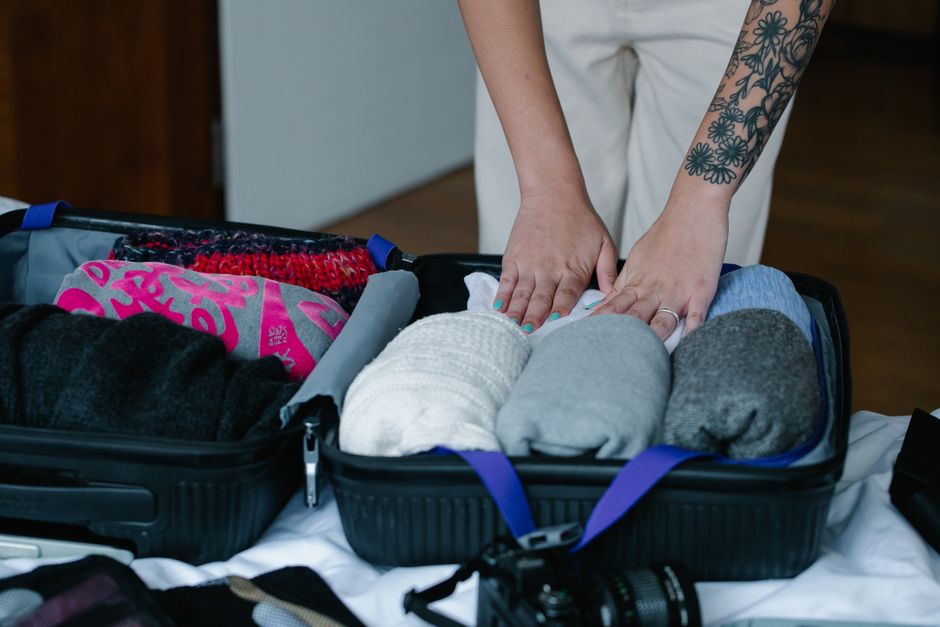
What actually goes in a toiletries bag for a trip
Strip it down and almost every real toiletries packing list for travel covers the same six categories. You don't need forty products. You need these, done well:
- Cleansing — soap or body wash, shampoo, conditioner
- Oral care — toothpaste, toothbrush, floss
- Odor control — deodorant
- Skin — moisturizer, sunscreen, lip balm
- Hair — brush or comb, any styling product you actually use daily (be honest with yourself here)
- Extras — hand sanitizer, any prescription or specialty item
That's a full toiletries list for a week away or a weekend, scaled up or down. The trick isn't the list. It's the format each of those items shows up in.
Solid vs. liquid: the decision that actually makes packing easier
Here's the thing nobody tells you when you're googling travel size containers at 11pm before a flight: the entire liquids-bottle problem solves itself if you just stop traveling with liquids. A solid shampoo bar doesn't care about the 100ml rule because it was never a liquid to begin with. Same with a bar of soap. Same with a stick deodorant, or a toothpaste tablet that lives in a little tin instead of a tube.
We make all of ours this way on purpose — not as some eco flourish bolted onto the product, but because solid and concentrated formats are genuinely the easier way to travel. Our Natural Shampoo Bar and matching Natural Conditioner Bar go through security without a second glance, one bar lasts what two or three bottles would, and there's no sad little puddle of conditioner pooling in the bottom of your bag because a cap popped open somewhere over the Rockies. If dry or damaged hair is more your situation after a long flight, the Dry or Damaged Hair bar and its conditioner pair do the same job with a bit more richness built in.
Deodorant's the same story. A stick like our Fresh Woody deodorant or Citrus Spice deodorant just sits in your bag solid, no leak risk, no liquid limit to think about at all. And toothpaste tablets, like our 1-Month Supply Toothpaste Tablet, do away with the whole travel-size-toothpaste question entirely — there's no tube to measure against a limit because there's no tube.

What size toothpaste can you bring on a plane?
If you're sticking with a traditional tube, the TSA's liquids, aerosols, and gels rule treats toothpaste as a liquid or gel, which means it needs to be 3.4 ounces (100ml) or smaller per container, and all your liquids together need to fit in a single quart-sized clear bag. Most airlines outside the US follow a similar 100ml-per-container standard, though it's worth a quick check against your specific airline before you fly, since enforcement and bag-size rules vary slightly by country. A toothpaste tablet sidesteps the question completely, since there's no liquid to size-limit in the first place.
Choosing a toiletry bag for travel (and what actually makes one good)
Whether you're after a simple travel hygiene bag, a structured cosmetic travel bag, or something more minimal, the features that matter are the same regardless of style:
- Water-resistant or wipeable material — something will leak eventually, bet on it
- A hanging hook — genuinely underrated in small hotel bathrooms with zero counter space
- Separate compartments — keeps a cracked lip balm from touching your toothbrush
- Breathable fabric for solid products — soap and shampoo bars actually benefit from airflow so they dry between uses instead of going soft and mushy in a sealed pouch
That last point is why we make a Natural Linen Soap Saver Bag specifically for the solid side of a routine — it's moisture-wicking linen, so a soap or shampoo bar can breathe and dry out between uses instead of turning into a soft, sad puddle inside a zipped pouch. Drop it right inside your main toiletry bag for travel and it does its own small job without you thinking about it again.

Building a women's travel toiletry kit (or anyone's, really)
Ladies' travel toiletry bags tend to carry a couple of extra categories — makeup remover, a few cosmetics, maybe a hair tool — but the underlying packing logic doesn't change. Solid and concentrated where you can, travel-size containers where you can't, everything leak-tested at home before it ever gets near your actual luggage. If you're bringing liquid makeup or skincare that can't go solid, decant into proper travel toiletry bottles rather than trusting the original packaging to survive a pressurized cargo hold. It usually doesn't.
A quick pre-trip leak test
Takes thirty seconds and has saved more of my clothes than I care to count:
- Close every bottle or tube tightly
- Put them in a sealed plastic bag
- Turn the whole thing upside down for a minute before you pack it into your suitcase
If nothing comes out, you're clear. If something does, better to find out on your bathroom floor than inside your favorite sweater somewhere over the Atlantic.
FAQ
What size toothpaste can I bring on a plane?
For carry-on bags, TSA and most international carriers cap toothpaste at 3.4 ounces or 100ml per tube, as part of the broader liquids allowance. Checked bags don't carry this restriction, since the liquids rule only applies to carry-on security screening. A toothpaste tablet avoids the question entirely, since it isn't classified as a liquid or gel at all.
What's a good basic toiletries packing list for a short trip?
Soap or body wash, shampoo and conditioner, deodorant, toothpaste and a toothbrush, moisturizer, and a travel-size hand sanitizer covers most short trips comfortably. Add sunscreen or lip balm depending on climate, and any prescription items last, right on top where you'll actually remember them.
Can I bring hand sanitizer in my toiletries bag on a plane?
Yes, within the same liquids allowance as your other toiletries — generally 100ml or smaller per container, inside your quart-sized liquids bag for carry-on. Travel-size hand sanitizer bottles sold for this exact purpose make it an easy one to check off without overthinking it.
Are solid shampoo and conditioner bars actually TSA-friendly?
Yes — since they're solid rather than liquid or gel, they're not subject to the 100ml liquids rule at all and can go through security without a second look. It's one of the more practical reasons solid bars have become a go-to for frequent travelers packing a toiletry bag for travel.
How do I stop my toiletries bag from leaking in my luggage?
Run a quick leak test before you pack — seal every container tightly, bag them together, and flip the bag upside down for a minute at home. Choosing solid formats for shampoo, conditioner, soap, and deodorant removes most of the leak risk before it can even start.
What's the difference between a toiletry bag and a cosmetic bag?
In practice, not much — the terms get used fairly interchangeably, though "cosmetic bag" often leans toward makeup-specific storage while "toiletry bag" tends to cover the broader hygiene routine. Plenty of travelers just use one bag for both, especially for shorter trips.
How small do travel containers need to be for international flights?
Most countries follow a 100ml-per-container standard for carry-on liquids, similar to the TSA rule, though it's worth double-checking the specific airline or destination country before you fly since exact bag-size and container rules can vary slightly. When in doubt, solid or stick formats remove the question entirely.
One last practical note
None of this needs to be complicated. Figure out what you actually use daily, lean solid wherever you can, keep the rest under the limit, and the bag of toiletries basically packs itself after the first couple of trips. For the full packing-list breakdown with more detail on quantities and trip lengths, our travel toiletries packing list guide goes deeper on exactly that.
0 comments